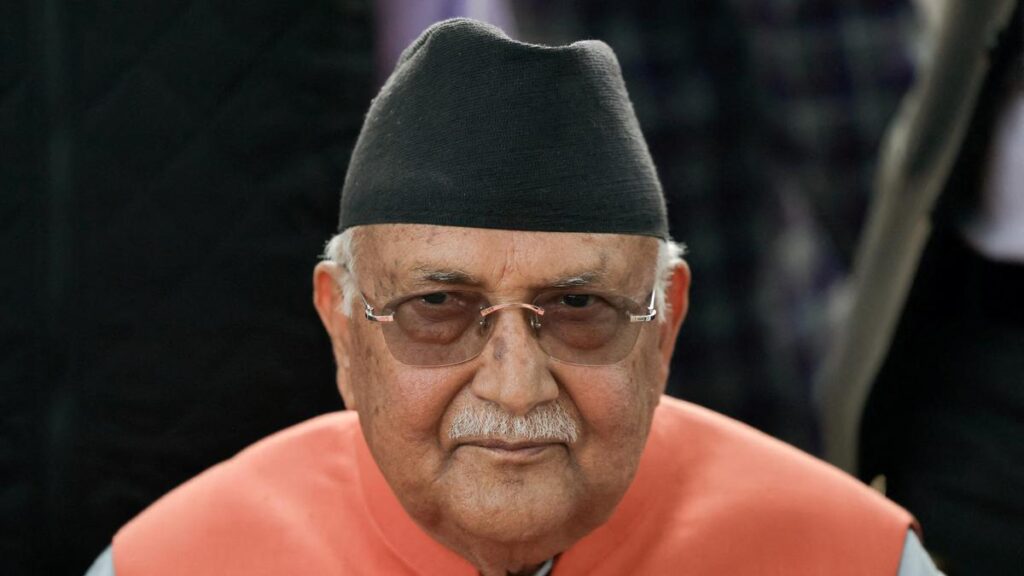
Former Nepal Prime Minister Oli, Ex-Home Minister Lekhak Arrested Over Gen-Z Protest Killings
By Staff Correspondent | Kathmandu | Updated March 2026
Introduction
Nepal witnessed an unprecedented political and legal moment as former Prime Minister K.P. Sharma Oli and former Home Minister Ramesh Lekhak were arrested in connection with the deaths of dozens of young protesters during the nationwide Gen-Z-led unrest of 2025.
The arrests follow months of public pressure, judicial inquiries, and political transformation driven largely by Nepal’s youth, marking a sharp break from decades of perceived impunity for senior leaders.
Who Are K.P. Sharma Oli and Ramesh Lekhak
K.P. Sharma Oli is one of Nepal’s most influential political figures of the past two decades, having served multiple terms as prime minister. Known for his assertive leadership style and nationalist rhetoric, Oli remained a polarizing figure throughout his political career.
Ramesh Lekhak, a senior leader and former Home Minister, held responsibility for internal security forces during the protests. His ministry oversaw police and armed units deployed against demonstrators.
The Rise of the Gen-Z Protest Movement
The Gen-Z protests began as digitally coordinated demonstrations opposing restrictions on online platforms and alleged corruption. What set them apart was their decentralized leadership, rapid mobilization, and strong social media presence.
Young protesters demanded transparency, employment opportunities, and an end to elite political dominance, drawing tens of thousands into the streets.
The Deadly Crackdown
As protests intensified, security forces were deployed in large numbers. Clashes erupted near government buildings, and authorities imposed curfews in several areas.
Eyewitnesses and rights groups later documented the use of live ammunition, resulting in multiple fatalities — many of them under the age of 25.
Key Timeline
Legal Case and Accountability
Investigators concluded that senior officials failed to prevent excessive use of force. Prosecutors argue that leadership decisions directly contributed to the loss of life.
The case has opened debate about command responsibility and civilian oversight of security forces in Nepal.
Political and Social Impact
Supporters of the arrests say Nepal has entered a new era of accountability. Critics, however, warn against politicization of justice.
Regardless of outcome, the case has permanently altered the relationship between Nepal’s youth and its political elite.
Conclusion
The arrest of a former prime minister over protest deaths represents a rare moment in South Asian politics. For many young Nepalis, it symbolizes hope that power can be questioned and justice pursued.
As legal proceedings continue, Nepal stands at a crossroads — balancing the pursuit of justice with political stability.
universaltimes.in is proudly powered by WordPress