 Germany

Germany Falter Against Ecuador Despite Early Goal at 2026 World Cup
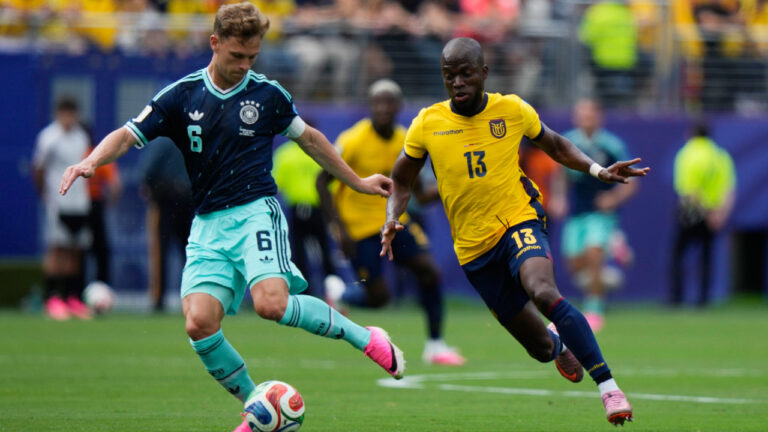 Germany had already secured their place in the knockout stage of the 2026 FIFA World Cup, but their final group match ended in disappointment as they went down 2–1 against Ecuador. What was expected to be a confident and controlled performance instead turned into a worrying display that exposed several weaknesses in the German team.
The match, played at the New York New Jersey Stadium in East Rutherford, began perfectly for Germany. Inside the first two minutes, they took the lead and looked set to dominate the game. However, rather than building on that early advantage, Germany gradually lost control. Ecuador grew stronger as the match progressed and eventually deserved their historic win.
A Perfect Start That Quickly Faded
When Germany scored so early, it seemed like the ideal scenario. With qualification already secured, the team had the chance to play freely, control possession, and manage the game without pressure. For a brief moment, everything appeared to be going according to plan.
But football rarely follows the script. Instead of calming the game and slowing things down, Germany made repeated mistakes. Loose passes, poor decision-making, and unnecessary turnovers allowed Ecuador to gain confidence. Slowly but surely, the South American side began to push forward, sensing an opportunity.
What followed was a performance that felt flat and disjointed. The energy and sharpness Germany had shown in earlier matches were missing. The team that had impressed fans with exciting wins and late goals suddenly looked uncertain and uncomfortable.
Kimmich Admits Costly Errors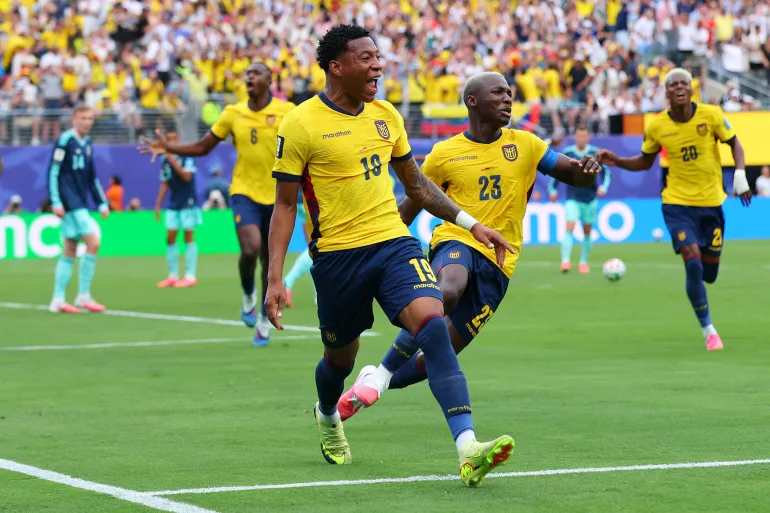
After the match, Germany captain Joshua Kimmich did not shy away from criticism. Speaking to MagentaTV, he admitted that his team had made life difficult for themselves.
He explained that Germany repeatedly lost possession in dangerous areas, which allowed Ecuador to attack more often. According to Kimmich, these mistakes only made the opponent stronger and more confident.
While he pointed out that the defeat would not change Germany’s qualification status, he was clear that such performances cannot continue. He stressed that the team cannot afford to concede goals in every match and must reduce errors if they want to compete with the best teams in the tournament.
Kimmich remained confident that Germany still has the quality to beat anyone, but only if they learn from these mistakes quickly.
From Confidence to Confusion
The mood at the final whistle said everything. Just days earlier, Germany looked like a team full of belief, riding a wave of positive results and growing confidence. Fans had started to dream big again, encouraged by the team’s attacking football and fighting spirit.
Against Ecuador, that feeling vanished. The famous chant about Germany being unstoppable suddenly felt far from reality. Instead of pushing forward, the team appeared to lose direction. Passes went astray, movement slowed, and communication broke down.
Rather than enjoying the match, Germany seemed to endure it. The lack of rhythm and fluency raised serious questions about their readiness for the knockout stage.
Changes in the Line-up, Same Problems on the Pitch
Several changes were made to the German starting line-up. David Raum came in for the injured Nathaniel Brown, who is expected to return for the knockout match. Raum, however, struggled throughout the game and failed to make a positive impact.
In defense, Antonio Rüdiger replaced Nico Schlotterbeck, who was also unavailable due to injury. Rüdiger had a slow start and looked uncomfortable early on, though he improved as the match went on. Still, the defensive unit as a whole lacked stability.
Midfielder Felix Nmecha, who had been one of Germany’s best performers earlier in the tournament, had a rare off day. He struggled to influence the game and was unable to control the midfield as he had done before. Aleksandar Pavlovic also found it difficult, eventually being substituted after a disappointing display that included a booking.
These individual struggles combined to create a team performance that never truly came together.
Leroy Sané’s Moment Overshadowed
Leroy Sané scored Germany’s opening goal and, for a short while, looked set to be the hero of the day. After weeks of criticism from the media, this match could have been the perfect response.
Unfortunately for Sané, his influence faded as the game progressed. Like many of his teammates, he struggled to maintain consistency. As Ecuador gained momentum, Germany’s attacking threat diminished, and Sané was unable to change the course of the match.
By the final whistle, even his early goal felt insignificant in the face of the team’s overall disappointment.
Controversial Decisions Add to Frustration
Germany’s frustration was made worse by several controversial moments involving the referee. The opening goal itself was surrounded by debate, as it appeared that Pavlovic may have committed a foul in the build-up. Despite a high boot making contact with an opponent’s face, the referee allowed play to continue.
Later in the match, Germany felt they should have been awarded a penalty, but the decision went against them due to an earlier foul involving Sané. These moments added to the sense that everything that could go wrong on the day did go wrong.
While refereeing decisions are part of football, Germany will feel that luck was not on their side in this match.
Attackers Working Hard but Lacking Impact
Jamal Musiala and Florian Wirtz put in plenty of effort, especially when tracking back and helping defensively. However, both players struggled to make a real impact going forward.
They found it difficult to find space, link up effectively, or create clear chances. As a result, Germany’s attack lacked creativity and sharpness.
Rüdiger had recently spoken about the need for attacking players to step up when it matters most. After this defeat, his words seemed more relevant than ever.
Was Desire the Difference?
After the match, opinions within the German camp differed. Kimmich suggested that Ecuador may have wanted the win more, pointing to their hunger and intensity.
Head coach Julian Nagelsmann strongly disagreed. He dismissed the idea that desire was the key factor and insisted that his players gave everything they had. According to Nagelsmann, the situation was more complex than simply wanting it more.
This difference in opinion highlights the uncertainty within the team. While effort may not have been lacking, clarity and execution certainly were.
Tactical Changes Fail to Turn the Tide
As the match slipped away, Nagelsmann made several substitutions in an attempt to regain control. Deniz Undav was once again called upon, with fans in the stadium urging the coach to bring him on.
Unlike his earlier appearances, where he had been highly effective, Undav was unable to produce another moment of magic. Despite his efforts, Germany could not find the equalizer.
One of the most notable changes saw Malick Thiaw replace Kimmich at right-back, with Germany switching to a back three. To many observers, the game began to feel more like a friendly than a must-win World Cup match.
Nagelsmann later explained that substitutions were made differently than they would have been in a knockout scenario. He defended his players, stating that it would be unfair to question their commitment based on this one result.
Ecuador Take Their Chance
Ecuador’s winning goal summed up the match perfectly. Gonzalo Plata reacted quickly to poke the ball into the net just before it could be gathered by goalkeeper Manuel Neuer.
For Neuer, it was another difficult moment in what has been an unusual return to the international stage. He stood little chance against Nilson Angulo’s powerful earlier strike and was unlucky not to see Plata coming for the winner.
Remarkably, Ecuador scored two goals from just three shots on target, showing impressive efficiency and belief.
Yellow Celebration, German Silence
At full-time, the stadium belonged to Ecuador. Their fans created a sea of yellow, celebrating a famous victory over one of football’s most successful nations.
There were tears of joy, children lifted onto shoulders, and songs echoing through the concourse. Ecuador’s supporters fully understood the significance of the moment and made sure it was remembered.
In contrast, Germany’s players left the pitch quickly. There were brief waves to the fans, but the mood was heavy. The questions were already beginning to form.
Questions Germany Must Answer
Was bringing Manuel Neuer back the right decision? Is this team as strong as it appeared earlier in the tournament? Could future opponents like Paraguay or Australia pose serious problems?
These questions will continue to follow Germany into the knockout stage. For now, Nagelsmann is asking for patience.
He emphasized the importance of staying calm, especially after taking an early lead. According to the coach, Germany must learn to control games better and avoid rushing decisions.
A Lesson Before It’s Too Late?
This defeat could prove to be a valuable wake-up call. Losing when qualification is already secured may help sharpen focus and remove any sense of comfort.
However, if the same mistakes appear in the knockout rounds, the consequences will be far more serious. Germany still has time to regroup, but that time is limited.
The coming matches will reveal whether this loss was simply a bad day at the office—or a sign of deeper problems.
One thing is certain: Germany will need to improve quickly. Because at the World Cup, patience, discipline, and control matter just as much as talent.