 amabad / Kabul — June 29, 2026
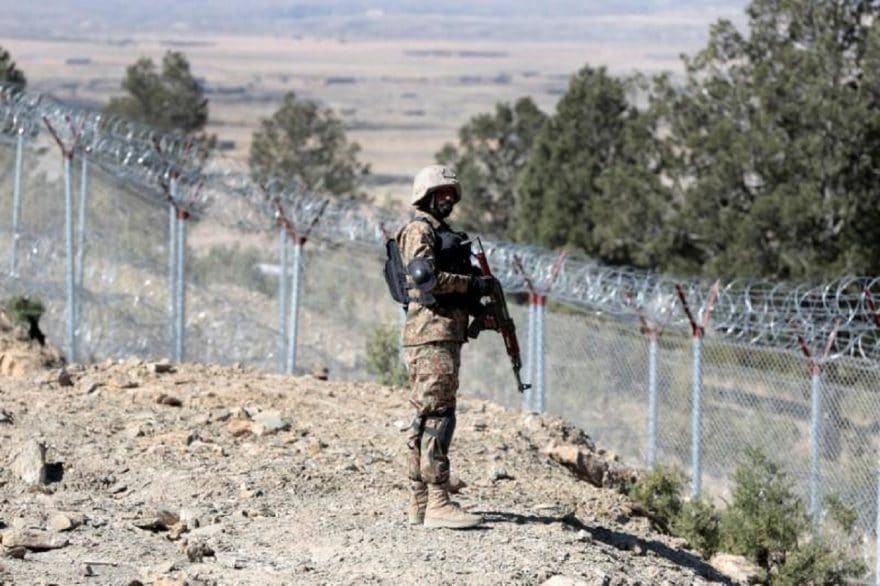
Tensions between Pakistan and Afghanistan have surged dramatically after Pakistani military forces conducted a major cross-border operation and airstrikes inside eastern Afghanistan, killing dozens and sparking international concern. The latest violence marks one of the most severe escalations along the long and often volatile border between the two neighbours in recent months, deepening distrust and threatening further clashes.
Overnight on Sunday into Monday, Pakistan’s armed forces launched a ground operation followed by aerial bombardments against what Islamabad described as militant hideouts and bases in Afghanistan’s eastern provinces. According to Pakistani officials, the strikes were aimed at groups blamed for a series of deadly attacks inside Pakistan, including a militant assault on a paramilitary facility in the port city of Karachi.
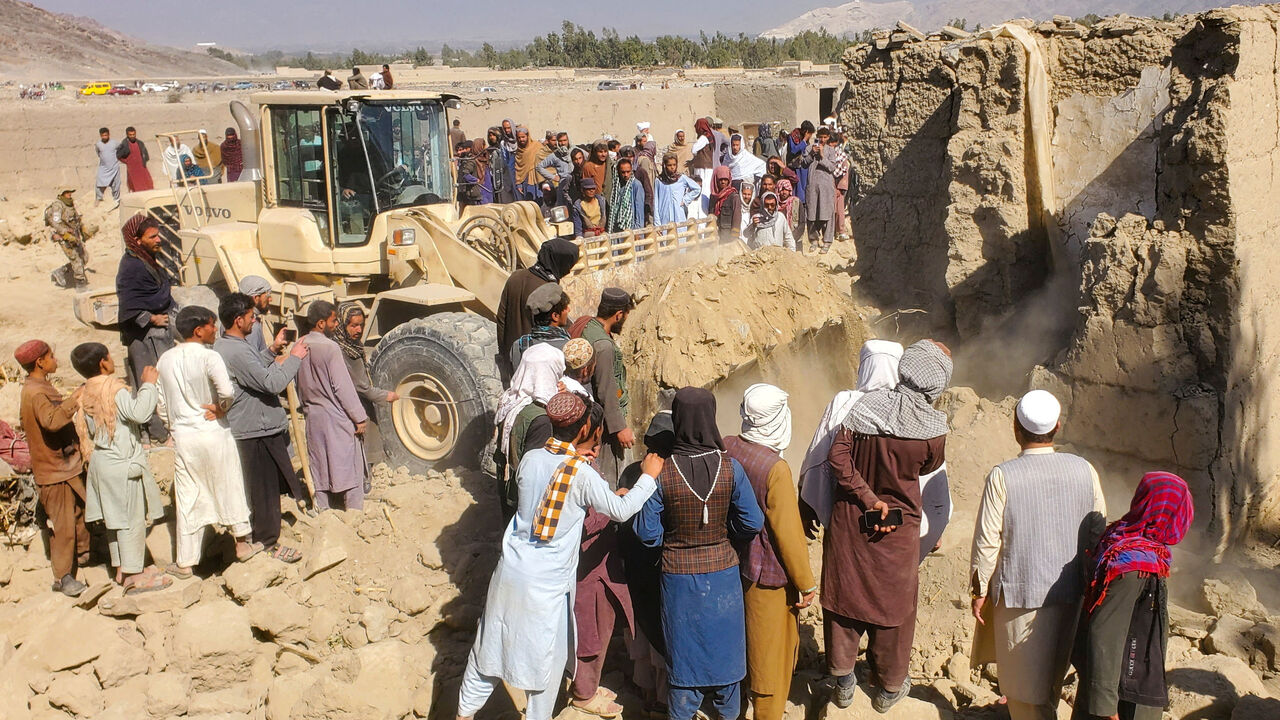
But Afghan authorities and eyewitnesses said the strikes hit residential areas and villages, killing and wounding large numbers of civilians — including women and children — in multiple provinces close to the border. Kabul condemned the actions as a “blatant violation of Afghan sovereignty.”
Casualties and Claims from Both Sides
Pakistan’s Account
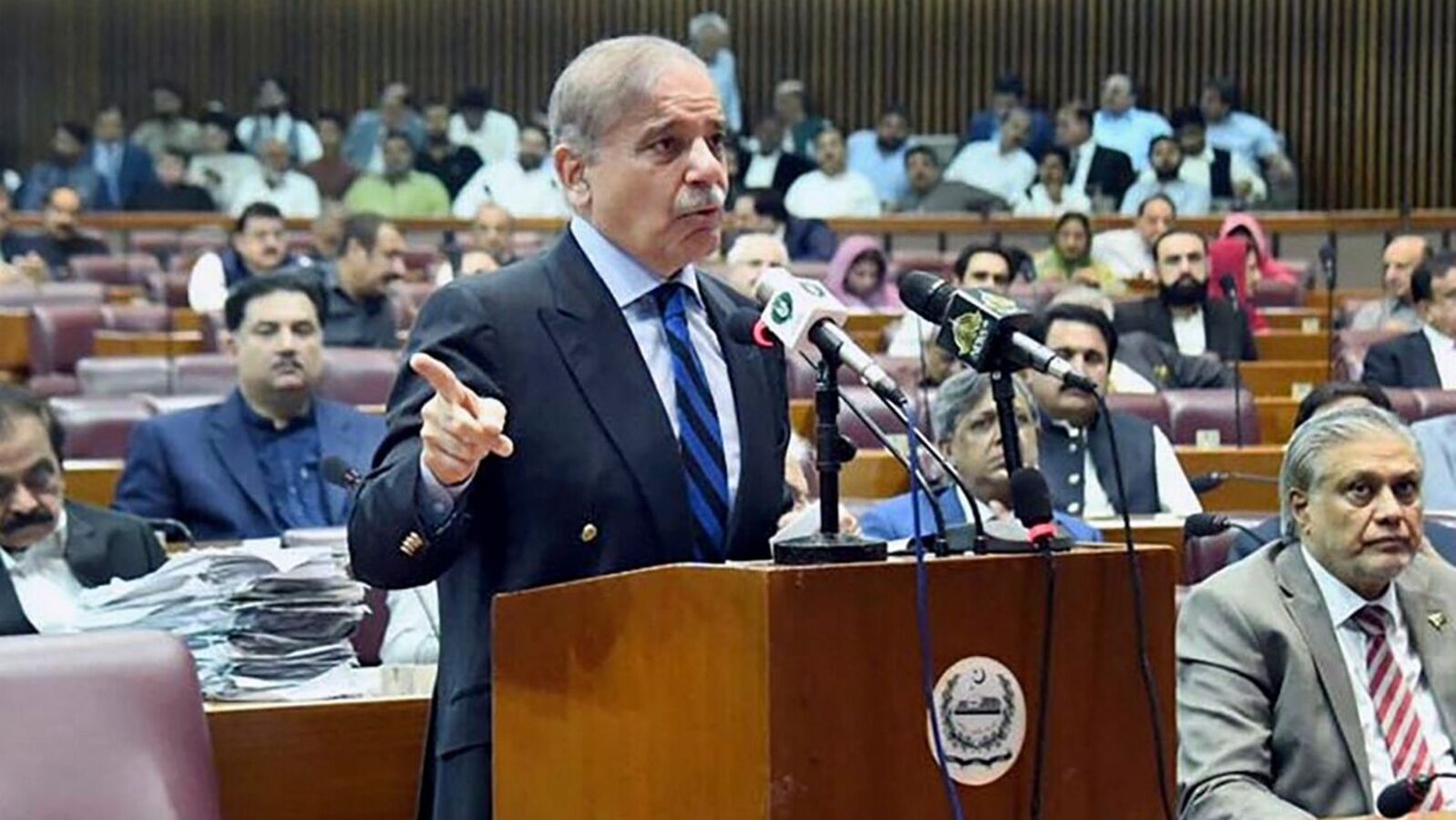 Pakistan’s government maintained that its forces acted with precision and purpose, targeting militants who had carried out recent terrorist attacks on Pakistani soil. Information Minister Attaullah Tarar said that the operation resulted in the deaths of at least 29 militants linked to extremist groups, and that ammunition, hideouts and weapons depots were destroyed. He described the offensive as a necessary retaliation to safeguard national security and prevent further attacks.
The Pakistani military’s official statement said the strikes were based on intelligence about militant hideouts and camps along Afghanistan’s border provinces — notably Paktia, Paktika and Kunar. These areas have long been seen by Islamabad as havens for armed fighters who stage attacks across the frontier.
According to the Pakistani narrative, the strikes were limited and targeted against only militant positions, and that non-combatants were not meant to be harmed. Islamabad said the operation was a direct response to recent attacks by terrorist groups, including the strike on the Rangers facility in Karachi that killed three paramilitary personnel. A wounded attacker, identified as an Afghan national, was also captured by Pakistani forces, authorities said.
Afghanistan’s Account
 Afghan officials, in stark contrast, reported wide-ranging civilian suffering. The Taliban-led government said the overnight bombardment killed at least 36 civilians and injured more than 160 others, including women, children and elderly persons. Afghan spokespeople said that multiple homes and villages were struck, and that some victims included civilians attempting to rescue the wounded after initial explosions — a tactic referred to as “double tap” strikes.
The provinces most affected, according to Kabul, were Chamkani, Giyan and locations in Kunar Province. Residents described scenes of devastated homes, grieving families and overwhelmed local clinics trying to treat the wounded amid limited resources. Afghan officials firmly rejected Pakistan’s justification and condemned the cross-border strikes as unlawful aggression.
Independent verification of exact casualty figures remains difficult due to restricted access and the remote terrain of the affected regions. However, local sources and Afghan government statements suggest the civilian toll may be significantly higher than Pakistan’s official militant casualty figures.
What Sparked the Latest Strikes?
The recent flare-up did not come out of nowhere. It followed a renewed intensification of militant violence inside Pakistan, particularly a suicide attack on a paramilitary headquarters in Karachi on June 27, which killed several security personnel and triggered strong demands for retaliation. Islamabad accused fighters belonging to the Tehrik-e-Taliban Pakistan (TTP) and its splinter groups, who Islamabad asserts operate from bases across the border in Afghanistan, of carrying out the attack.
Pakistan’s leadership has repeatedly blamed Afghanistan’s Taliban government for allegedly providing safe haven to armed militants responsible for repeated terror strikes in Pakistan. Kabul has consistently denied this, saying it does not support militant groups in attacks against Pakistani targets and accusing Islamabad of violating international law by launching cross-border strikes.
The logic Islamabad presented for its latest operations is summed up in its public statements: to break the militants’ ability to plan and stage attacks inside Pakistan by striking their supposed hideouts across the frontier. Whether those hideouts are purely militant compounds or mixed civilian areas is fiercely disputed by each side.
History of the Conflict: A Pattern of Escalation
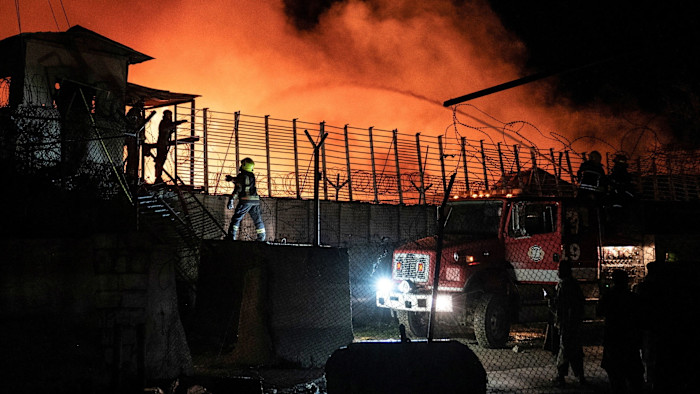 The recent clashes are part of a broader pattern of hostility that has erupted many times in recent years, but especially since early 2026. This chronic tension stems from decades of distrust, territorial disputes along the Durand Line border and competing security concerns.
In February 2026, violence escalated sharply with mutual accusations of cross-border airstrikes and retaliatory attacks. Earlier clashes saw fighting in several eastern and southeastern Afghan provinces, including Nangarhar, Nuristan, Kunar, Khost, Paktia and Paktika, as major fronts of violence along the frontier. Afghan and Pakistani forces exchanged fire, and both governments made bold claims about battlefield successes and inflicted casualties.
Even before this year’s surge, there were previous rounds of airstrikes by Pakistan inside Afghanistan that Kabul said killed civilians, including children. For example, in early June 2026, Afghan officials said at least 13 people, including 11 children, were killed in Pakistani air raids in eastern provinces, while Pakistan claimed the strikes hit militant positions.
This recurring cycle of violence has repeatedly eroded fragile ceasefires brokered by third countries and international mediators. China has stepped in at times to host peace discussions, but a lasting truce has not yet taken hold.
Humanitarian and Civilian Impact
The impact on civilians has been severe. Hospitals and clinics in the border regions are struggling to cope with the influx of wounded. Many injured civilians require urgent medical care far beyond local capacities, yet infrastructure and health services in eastern Afghanistan are limited.
Witnesses said families were caught in their homes when the strikes hit, and that entire households were wiped out in some villages. People also reported that some of the dead were bystanders trying to help the wounded after first blasts. Women and children have featured prominently among the casualties, a point emphasised by Afghan officials to highlight the humanitarian toll of the strikes.
The repeated clashes and bombardments have displaced families from their homes, disrupted livelihoods and heightened insecurity among border communities that have already suffered years of conflict. Humanitarian organizations have warned that without guaranteed protections for civilians, further military operations will deepen suffering and increase internal displacement
Political and Diplomatic Fallout
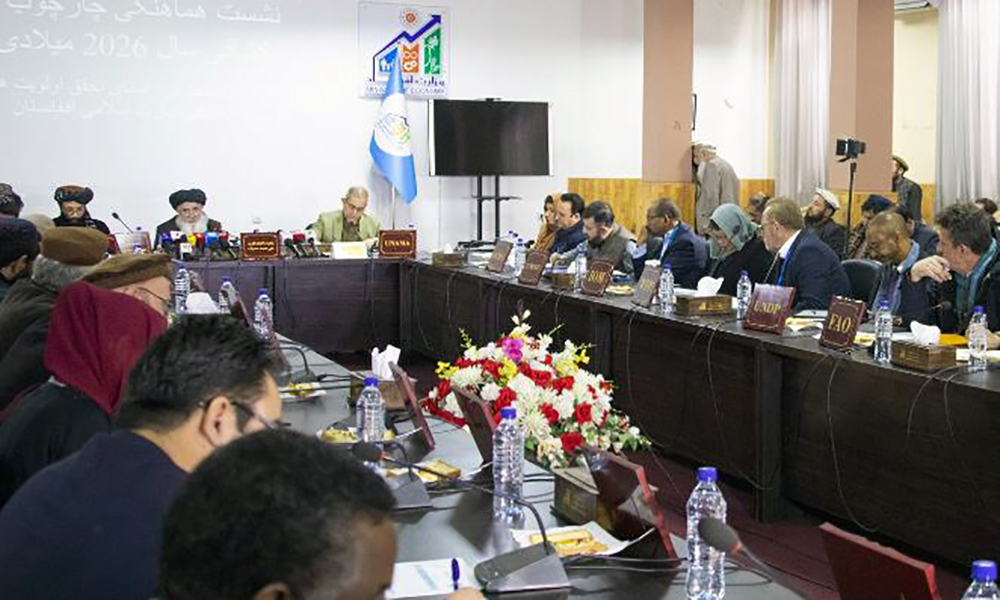
The strikes have fuelled diplomatic tensions not only between Islamabad and Kabul but also regionally. Afghanistan’s foreign ministry summoned Pakistan’s diplomatic representative in Kabul to protest the strikes and accuse Pakistan of violating Afghanistan’s airspace and sovereignty. Kabul urged Islamabad to seek political solutions rather than military retaliation.
Pakistan, for its part, accused Kabul of failing to act against militant forces operating within its borders, despite repeated warnings. Islamabad insists that it has the right to defend its territory and citizens from external attacks, but critics argue that cross-border military action complicates diplomatic dialogue and risks full-scale conflict. (Reuters)
International voices, including United Nations representatives and global human rights groups, have expressed deep concern over the loss of civilian life. They have urged both sides to halt fighting, respect international humanitarian law and protect non-combatants. However, concrete international pressure has been limited so far, and there is no immediate sign that the fighting will cease. (OCHA)
What Lies Ahead?
Analysts warn that if the current escalation continues, the situation could destabilize the broader South Asian region and draw in other actors with interests in Afghanistan and Pakistan. The border areas have long been volatile, and recurring conflicts make long-term peace difficult to achieve.
Both capitals continue to maintain hardened positions. Pakistan has vowed to sustain its campaign against militant networks, while Afghanistan says it will defend its territory and civilian population from what it calls aggression. If neither side de-escalates, the cycle of tit-for-tat strikes could widen, potentially drawing in neighbouring states and international bodies seeking to prevent a larger war. (cfr.org)
For now, the focus remains on the immediate humanitarian crisis, the debate over civilian casualties, and the effort to find renewed dialogue and peace talks in a region long scarred by conflict.
If you’d like, I can also provide a concise timeline, maps of affected areas, or translations of this article into Assamese or Hindi. Just tell me!