In a significant breakthrough in the ongoing investigation into the NEET-UG 2026 paper leak scandal, the Central Bureau of Investigation (CBI) has arrested a senior Botany teacher from Pune, identifying her as one of the alleged masterminds behind the leak of Biology questions. The arrest marks a critical development in a case that has shaken the country’s medical education system and raised serious questions about examination integrity and institutional oversight.
The accused, Manisha Gurunath Mandhare, was taken into custody in New Delhi after prolonged questioning by investigators. According to officials, Mandhare was directly involved in leaking confidential examination material related to Botany and Zoology, two core components of the National Eligibility cum Entrance Test (Undergraduate), commonly known as NEET-UG.
NEET-UG 2026, which was conducted on May 3, was later cancelled following widespread allegations of question paper leaks, unfair advantage to select candidates, and organised rackets operating across multiple states. The exam is the primary gateway for admission into undergraduate medical courses in India, and any compromise to its credibility has far-reaching consequences.
Role of the Accused in the Examination Process
Investigators revealed that Mandhare was officially associated with the NEET-UG 2026 examination process. She had been appointed as a subject expert, a role that granted her access to highly confidential question papers in Botany and Zoology. Such experts are entrusted with the responsibility of maintaining strict confidentiality, as even minor breaches can jeopardise the fairness of the examination.
According to the CBI, this position of trust was allegedly misused. Instead of safeguarding the material, Mandhare is accused of selectively disclosing key questions to aspiring medical students well before the examination date. Officials believe that the leak was not incidental but part of a deliberate and organised effort to monetise privileged access.
The agency has stressed that the investigation is still at an early stage and that further details about the extent of her involvement, including financial transactions and communications with intermediaries, are being closely examined.
#WATCH | Delhi | Accused in the NEET(UG) exam paper leak case, Manisha Waghmare and PV Kulkarni were brought to the Rouse Avenue Court.
— ANI (@ANI) May 16, 2026
The Court reserved the order on 14 days custody of both accussed, and will pronounce the order at 5 pm. pic.twitter.com/9ApKECKruB
Coaching Sessions and Alleged Disclosure of Questions
One of the most serious allegations against the accused relates to special coaching sessions conducted at her residence in Pune. During April 2026, Mandhare allegedly organised private classes for selected NEET aspirants. These sessions, according to investigators, went far beyond standard academic guidance.
During these meetings, Mandhare is accused of disclosing multiple Botany and Zoology questions that later appeared almost identically in the actual NEET-UG 2026 question paper. Students attending the sessions were allegedly instructed to write down these questions in notebooks and textbooks, thereby ensuring they could memorise them thoroughly before the exam.
Investigators claim that a majority of the questions shared during these coaching sessions matched the cancelled NEET-UG 2026 paper, strengthening suspicions of a deliberate leak rather than coincidence.
The CBI has reportedly recovered notebooks and handwritten material from several candidates that closely resemble the official question paper. These documents are now key pieces of evidence in establishing the timeline and method of the leak.
Network of Intermediaries
The investigation has also uncovered the involvement of intermediaries who allegedly helped connect Mandhare with prospective NEET candidates. One such individual, Manisha Wagmare of Pune, was arrested earlier on May 14. Officials believe Wagmare played a crucial role in identifying students willing to pay for early access to questions and coordinating logistics.
According to sources familiar with the probe, the operation was structured in a way that limited direct contact between the accused and beneficiaries, thereby attempting to reduce traceability. However, digital communication records and witness statements have reportedly helped investigators piece together the network.
The agency is now examining whether similar methods were used in previous years or in other competitive examinations, raising concerns that the scandal could be part of a broader pattern rather than an isolated incident.
Impact on Students and Examination Credibility
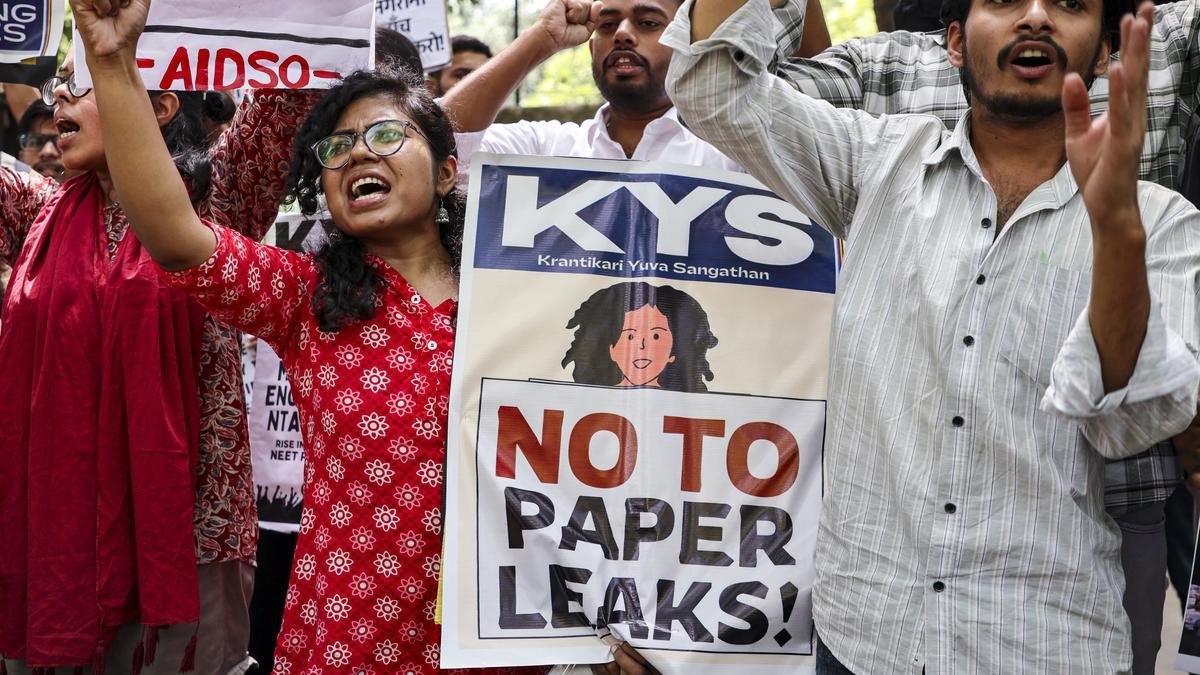
The cancellation of NEET-UG 2026 has left millions of students in uncertainty. For many aspirants, the exam represents years of preparation, financial investment, and emotional strain. Allegations of paper leaks and organised cheating have sparked widespread protests, legal challenges, and demands for greater transparency.
Education experts argue that such incidents erode public trust in competitive examinations and disproportionately harm honest students. Several candidates have expressed concern that even a re-examination may not fully restore confidence unless systemic reforms are implemented.
Parents’ associations and student groups have called for stricter vetting of examination personnel, enhanced digital security measures, and harsher penalties for those found guilty of compromising examination integrity.
CBI’s Ongoing Investigation
The CBI has stated that it is pursuing the case with utmost seriousness. Officials confirmed that multiple teams are analysing financial records, call data, and electronic devices seized during raids conducted in Maharashtra and other states.
Sources within the agency indicated that more arrests are likely as investigators continue to identify beneficiaries, facilitators, and possible institutional lapses. The role of examination authorities and the mechanisms used to select subject experts are also under scrutiny.
Legal experts note that if the charges are proven, the accused could face severe penalties under laws related to cheating, criminal conspiracy, and breach of trust. The case is expected to set an important precedent for handling examination fraud in India.
Broader Questions on Examination Reforms
The NEET-UG 2026 paper leak has reignited the debate on the need for comprehensive examination reforms. While technology has enabled large-scale testing, it has also introduced new vulnerabilities. Experts argue that reliance on a limited pool of human evaluators and paper setters creates opportunities for exploitation.
Suggestions being discussed include decentralised question paper creation, increased use of artificial intelligence for anomaly detection, and real-time monitoring of examination logistics. However, implementing such measures on a national scale poses logistical and financial challenges.
As the investigation progresses, the focus remains on ensuring accountability and restoring faith in one of the country’s most crucial entrance examinations.