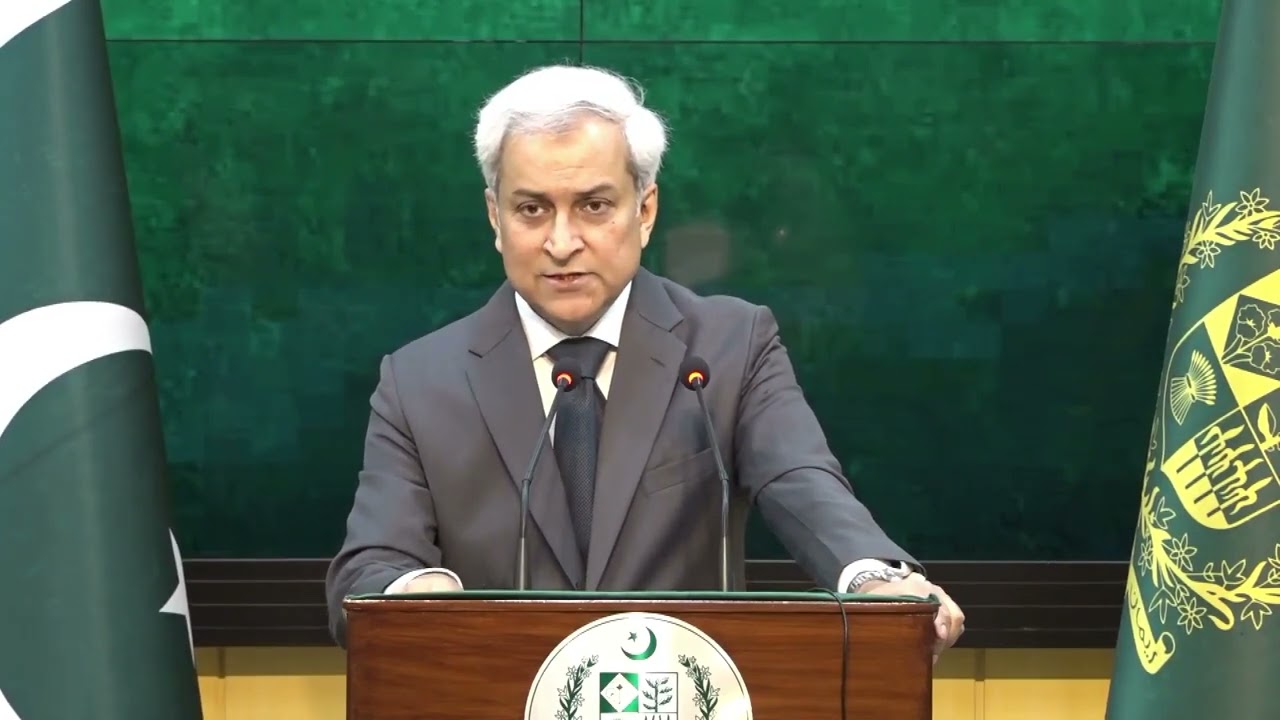
US, Iran war news LIVE: Pakistan’s foreign ministry spokesperson Tahir Andrabi said the US and Iran have agreed to establish a direct line of communication to avoid incidents or miscommunication, particularly regarding the Strait of Hormuz.
The conflict between the United States and Iran showed fresh signs of de-escalation on Wednesday, with diplomatic engagements resuming, oil markets stabilising, and cautious optimism emerging across the Gulf region. However, political divisions in Washington and disagreements over sanctions relief continue to cloud the fragile peace process.
Trump Says Iran Will Not Impose Tolls in Strait of Hormuz
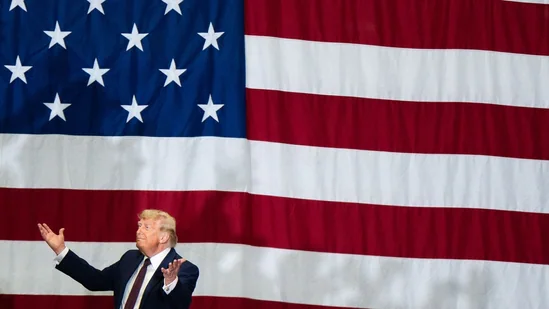 US President Donald Trump said Iran has agreed not to charge tolls on commercial vessels passing through the Strait of Hormuz, easing concerns over disruptions to one of the world’s most critical oil shipping lanes. The statement comes as tanker traffic gradually returns to normal, following weeks of heightened military tension in the region.
The Strait of Hormuz handles nearly one-fifth of global oil supplies, and any obstruction had earlier triggered sharp spikes in crude prices and insurance costs for shipping companies.
India Updates Travel Advisory for Iran
Amid the evolving security situation, the Indian Embassy in Tehran revised its travel advisory, urging Indian nationals to avoid non-essential travel to Iran despite what officials described as “improving conditions.”
Indians currently in Iran have been advised to remain vigilant, register with the embassy, and strictly follow guidance issued by local authorities. The advisory reflects caution as diplomatic talks continue and security conditions remain fluid.
Pakistan Confirms Next Round of US-Iran Talks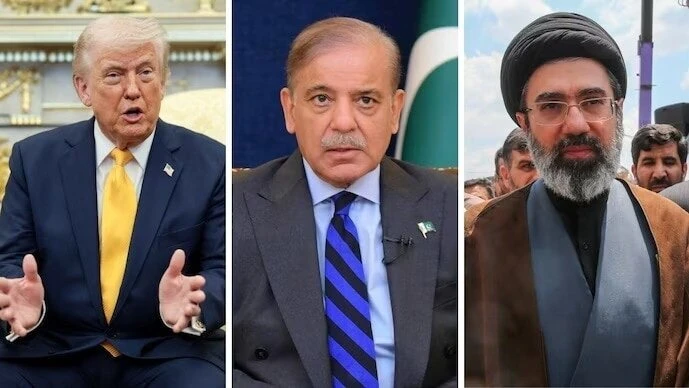
Pakistan confirmed that the next round of technical negotiations between the United States and Iran will take place next week. According to officials, the discussions aim to formalise an interim agreement intended to bring an end to active hostilities.
The announcement follows an initial round of technical talks held earlier this week in Switzerland, where both sides addressed key components of a proposed peace framework, including sanctions relief, security guarantees, and verification mechanisms.
Oil Prices See Sharpest Decline Since Conflict Began
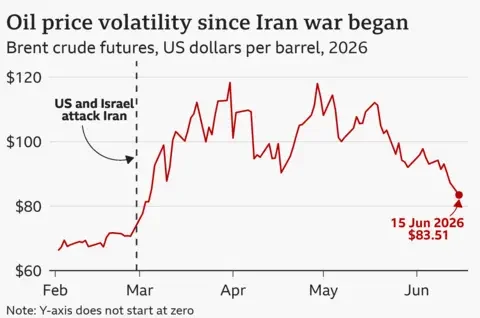
Global oil markets reacted swiftly to easing tensions. Crude prices fell to their lowest levels since the war began, with Brent crude slipping below $77 a barrel and West Texas Intermediate trading near $73.
The decline has been attributed to the resumption of tanker movements through the Strait of Hormuz and reduced fears of supply disruptions. Analysts say market confidence has improved as diplomatic channels remain open.
Iran Confirms Release of Frozen Assets Under Talks
Iranian officials said approximately $12 billion in frozen Iranian assets would be released as part of the ongoing negotiations, alongside broader sanctions relief and discussions around a proposed $300 billion rehabilitation fund.
The proposal has drawn criticism of the Trump administration, with several Gulf nations warning that Tehran could potentially use the funds to rebuild its military capabilities or support allied regional groups such as Hezbollah.
IAEA Inspectors to Visit Iranian Nuclear Facilities
The head of the International Atomic Energy Agency, Rafael Mariano Grossi, said inspectors would soon be allowed to visit Iran’s uranium enrichment facilities. The inspections are a central element of the interim agreement aimed at restoring transparency and confidence around Iran’s nuclear programme.
Access for international inspectors had been severely limited during the escalation of hostilities.
Qatar Pushes for US-Iran Hotline
Qatar has called for the establishment of a direct communication hotline between Washington and Tehran to prevent miscalculations or actions by rogue actors that could destabilise the region.
Qatari Prime Minister Sheikh Mohammed bin Abdulrahman Al Thani said such a mechanism would be critical to ensuring the safe reopening of the Strait of Hormuz. He also expressed confidence that Qatar’s liquefied natural gas production would return to normal levels within weeks.
US Senate Votes to Halt War Escalation
In Washington, political tensions surfaced as the Republican-led Senate voted 50-48 to end US military hostilities with Iran under the 1973 War Powers Act. The resolution marked Congress’s first formal attempt to halt the conflict.
President Trump criticised the move, saying it complicated negotiations and sent mixed signals to Tehran at a sensitive stage. Four Republican senators joined Democrats in backing the resolution, while several senior lawmakers abstained from voting.
Although the resolution has already cleared the House and cannot be vetoed by the president, its practical impact remains uncertain due to long-standing disputes over the scope of the War Powers Act.
Travel Eases for Iran’s Football Team
In a symbolic easing of restrictions, US authorities granted Iran’s national football team an additional day to prepare for its upcoming World Cup match in Seattle. The team will now be allowed to arrive two days ahead of the game, according to US officials.
The move was seen as a goodwill gesture amid broader diplomatic efforts.
Dispute Over Use of Released Funds
President Trump reiterated that any Iranian funds released from frozen accounts would be placed in escrow and restricted to the purchase of food and medical supplies from the United States.
Iran rejected that characterisation. Iranian Foreign Ministry spokesman Esmail Baghaei said Tehran would be free to use the funds as it sees fit, underscoring persistent disagreements that could complicate final negotiations.
Outlook Remains Fragile
While falling oil prices, resumed talks, and restored shipping routes suggest momentum toward de-escalation, analysts warn the situation remains delicate. Key disagreements over sanctions, military limits, and fund usage continue to test trust between Washington and Tehran.
With another round of talks scheduled next week, the coming days will be critical in determining whether the interim peace process can be converted into a lasting settlement.